De Werf and its systems operate at a top level
At a top location in Zeeland, you and your brother are at the helm of restaurant De Werf. After a complete makeover, from a sandwich lunchroom to a sleek, top-level restaurant, you successfully extended your silver ranking in the Terras Top 100. A successful plan and outstanding achievement by Bart and Paul Melis, who had reached the ceiling after more than 11 years at De Gespleten Arend in Middelburg.
A renewed kitchen, high-quality cuisine, improved workflow, and staff training; these were the results of the concept transformation for the previous owners, Patrick Wolf and Saskia van Golen. After taking over in March 2017, the Melis brothers were able to develop the concept of the renovated venue in detail. “We love a place where everything is just right,” says Bart. Bart focuses on service, hospitality, and administration, while Paul concentrates on the kitchen, suppliers, and interior design. Their collaboration led to a better organization of the connection between kitchen and service, a distinct personal touch on the menu and wine lists, and an alternative terrace layout.
Hospitality makes the difference
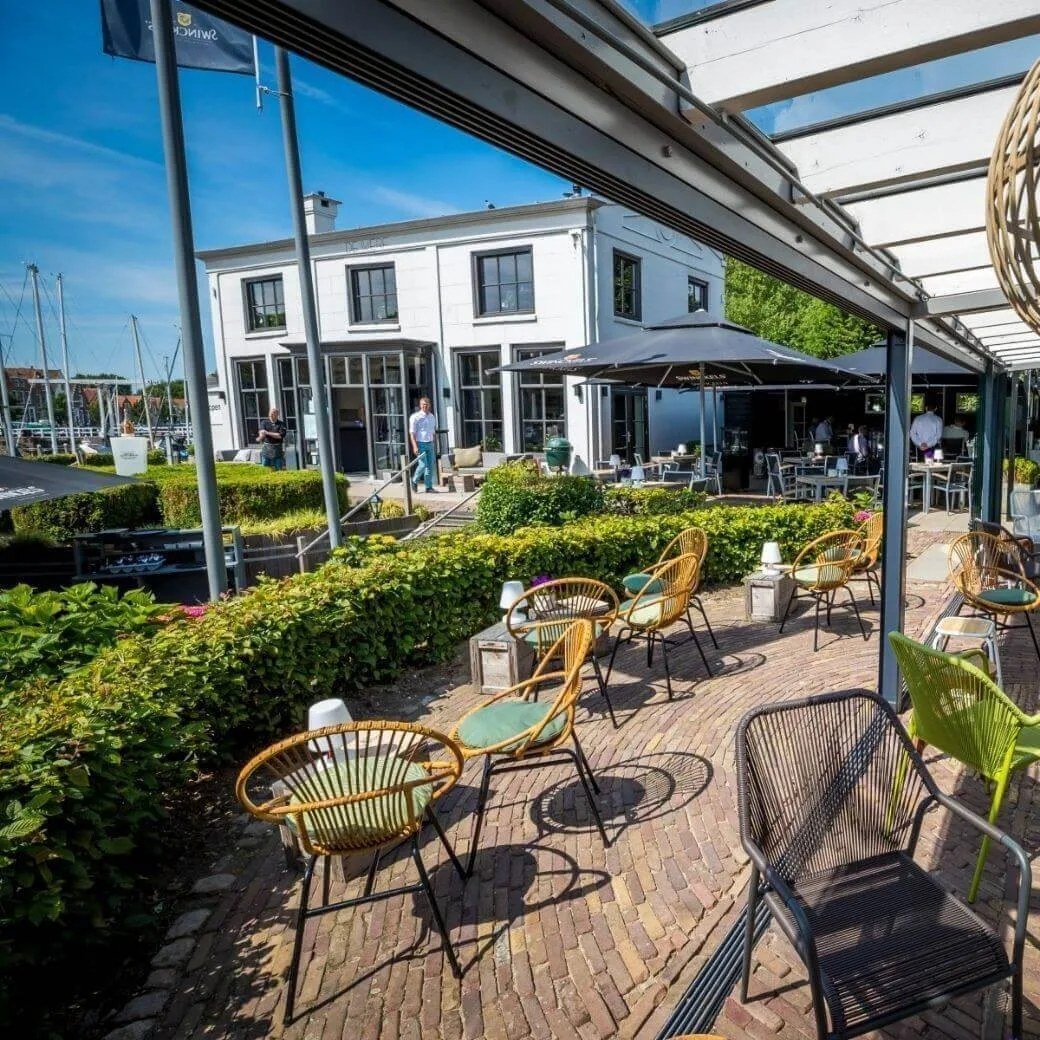
The whole picture is just right. From the beautiful terrace, situated on multiple levels by the harbor, you have a view of the picturesque Veere. The spirit of the former shipyard remains intact through industrial elements like steel, leather, and wood. High-quality dishes with a personal touch are served quickly and efficiently, as are the house-mixed cocktails. Bart: “Hospitality costs nothing; it’s about whether the staff holds the door open for you, offers your coat, or says goodbye.” A large team of staff makes the difference with these small gestures. For perfect staff planning, Bart enlisted help from DISH Staff Planner. “The Staff Planner runs like a well-oiled machine, great for us and our employees. It’s wonderful working like this.”

Attention to logistics and workflow
“In our venue, logistics and proper workflow are very important. Think of good walking routes or the mix of high and low seating, so all guests have a nice view. But having service stations outside also means colleagues don’t have to go inside for everything. Each service station has a POS terminal, card reader, cutlery, sauces, and so on. Deploying staff in different roles is also essential. We work with different zones, runners for serving food and drinks, colleagues who clear and clean, and staff who only take orders. This way, guests can always easily make eye contact with a colleague if they want to order something.”
The right POS system and handheld devices
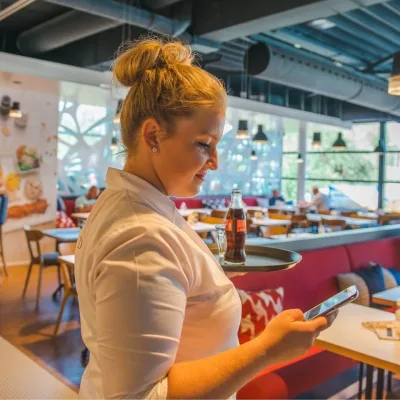
“The switch to the DISH POS system with handhelds has led to a huge efficiency improvement. It allows us to work in the way we want: using the entire menu smartly throughout the day. At our place, a lunch dish can also be served as a starter in the evening. By setting up dishes cleverly in the POS, staff are guided to select the correct items. We notice fewer mistakes are made. And when everything always enters the kitchen correctly, chaos and stress are avoided there as well.”

Optimal table occupancy and use of time slots
“The implementation of DISH Table Reservation was another digital step we took to organize table occupancy. We took plenty of time to test the system and set it up to our liking. During the first lockdown, we worked with different time slots. This allowed us to welcome more guests and therefore generate more revenue. With our previous reservation system, I sometimes had to keep a paper agenda beside me to check and adjust everything, but DISH Table Reservation handles it well for us without me having to monitor it. Guests also respond well to the use of time slots. We therefore plan to continue using them in the future.”