
Beachclub Far Out allows beach bed reservations through the reservation system
Beachclub Far Out is a cozy, happy hangout in Zandvoort for a day at the beach, but also a luxurious waterfront restaurant serving delicious, high-quality food. Guests enjoy a coastal breakfast, a cozy family dinner, or a glass of wine with friends at sunset every day. With 500 outdoor seats and 200 indoor seats, efficient operations for booking, ordering, and preparation are essential. Remco Petersen, who runs the business together with his brother Nick, explains why.
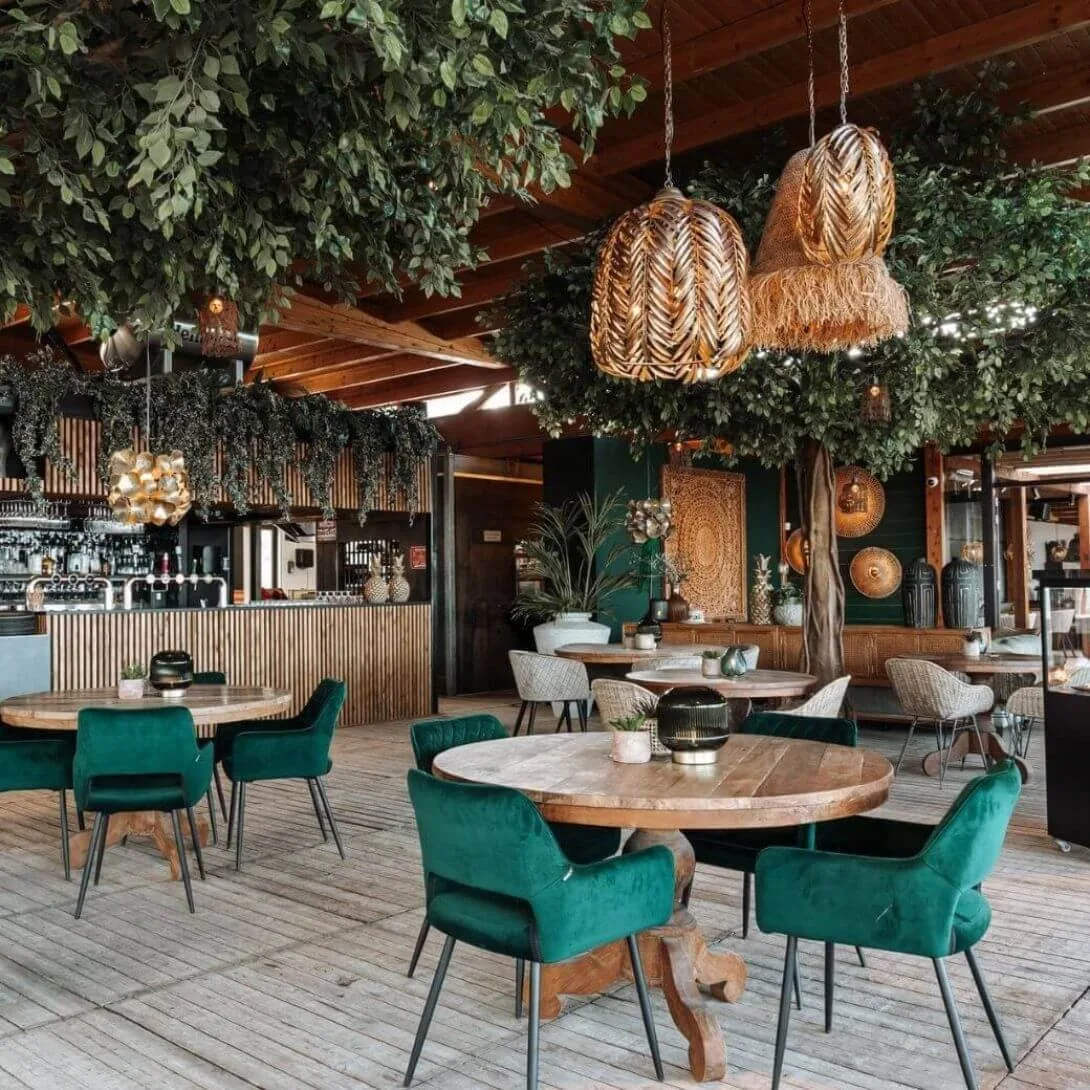
“Far Out is a family business. My parents bought the beach club 12 years ago, when I was 15. We moved from Dordrecht to Zandvoort, and as a family, we ran Far Out. My parents are still very much involved. For example, the warm, cozy styling of the beach pavilion comes from my mother. Ibiza—where we have been visiting for years—is the inspiration with its natural materials, woven furniture, and green accents. Every season we invest in upgrading the interior, and our guests love coming back to see the changes.
Far Out is not only a place for local guests, as day-trippers to the beach and tourists also drop by frequently. But business guests also make Far Out their workplace or book events. “For example, in September we are 30% fully booked with exclusive meetings, parties, and barbecues. Our relaxed beach vibe is very appealing. During the Formula 1 in Zandvoort, Far Out serves as a business club location for the entire weekend.”

Guests reserve beach beds through the reservation system
“We were already using a reservation system for our indoor restaurant tables, but last year we started testing reservations for our terrace tables. You can imagine that on sunny days, demand often exceeds supply. By allowing terrace reservations, guests are guaranteed a spot outside. We charge a €2.50 reservation fee per guest during peak times (lunch and dinner). We tested this thoroughly, both for its effect on revenue and for guest feedback. The big advantage of this ‘prepayment’ is that we have almost no no-shows. Compared to restaurant reservations, the number of no-shows is three to four times higher. We also use the ‘extra’ budget to hire additional staff.”
In addition to table reservations, the DISH Table Reservation system allows us to let guests reserve our luxury lounge beds with umbrellas—served by staff—and regular beach beds with wind screens—where orders can be placed via a QR code—in advance. Guests often book up to two weeks ahead, regardless of the weather forecast, because they don’t want to miss out on a bed. They pay in advance, and we can view the exact reservations for each day. This works very well, both for us and for the guests!”

Booking, ordering, serving, and paying
“Our entire society is used to things happening quickly. If you order something online, it can be delivered to your home two hours later. You see this reflected in hospitality. Guests who have to wait ten or fifteen minutes for their order have no patience for it. As a hospitality entrepreneur, you simply can’t afford that. Not for your revenue and not for throughput. The less time you lose, the more guests you can serve in the same period. All processes need to work easily and quickly. Our previous POS system used T9 input, like texting. Our experienced staff managed it well, but training the younger generation and remembering abbreviations became increasingly problematic. They grow up swiping and tapping. That’s why we switched to the intuitive POS software from DISH. It always works. No software errors, no unhappy guests, and no loss or damage.”
Changes due to COVID-19 and technological developments
“Compared to being served by a friendly waiter, ordering via a QR code reduces the experience. That’s why QR ordering was initially a no-go for us. The idea changed during the COVID period and has since been more broadly accepted by both us and our guests. Self-ordering feels more convenient because it is perceived as safer. In our establishment, QR ordering serves as a supplement, guests don’t have to use it. The percentage of revenue ordered via QR codes has grown from 5% to 10%. For now, staffing levels remain the same, but in the long term, we believe there will be a tipping point.”

The role and added value of digitalization
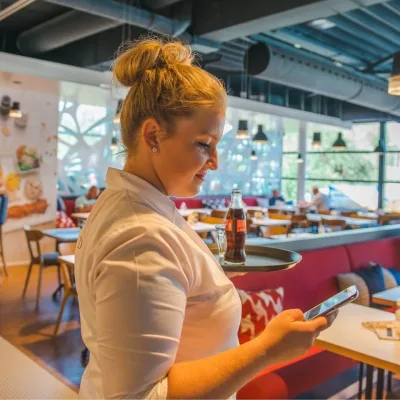
“The role of digitalization in operational speed is significant. For us, using this kind of software is crucial. We have a 2,000 m² terrace, and without digital tools like handheld devices, processes get delayed. If you have to walk across the entire terrace to relay an order to the bar or kitchen, you lose three to four minutes. And that time is very costly when you can serve fewer orders per hour to a section of 50 guests. You simply cannot overlook processes like these.”
A lot of calm and clarity for our floor team. You can see this reflected in the speed of service and the coordination between the kitchen and front of house. As a result, everyone enjoys their work more and can give guests more personal attention.
Because all systems “communicate” with each other, an order reaches the preparation station in just one second. This guarantees the best quality for a dish. Our guests receive a high-quality main course within 10 to 15 minutes, even when there are 300 guests on the terrace. If you don’t streamline the process of ordering, preparing, and serving, those 15 minutes can stretch to 25, creating long wait times. In addition to handhelds, we use the digital work screens of the DISH Bar and Kitchen Manager. Using data, such as the preparation time of dishes, we can make short-term adjustments. The same goes for data from our POS system and reservation system, which we use to manage our business.”